
AI药物发现
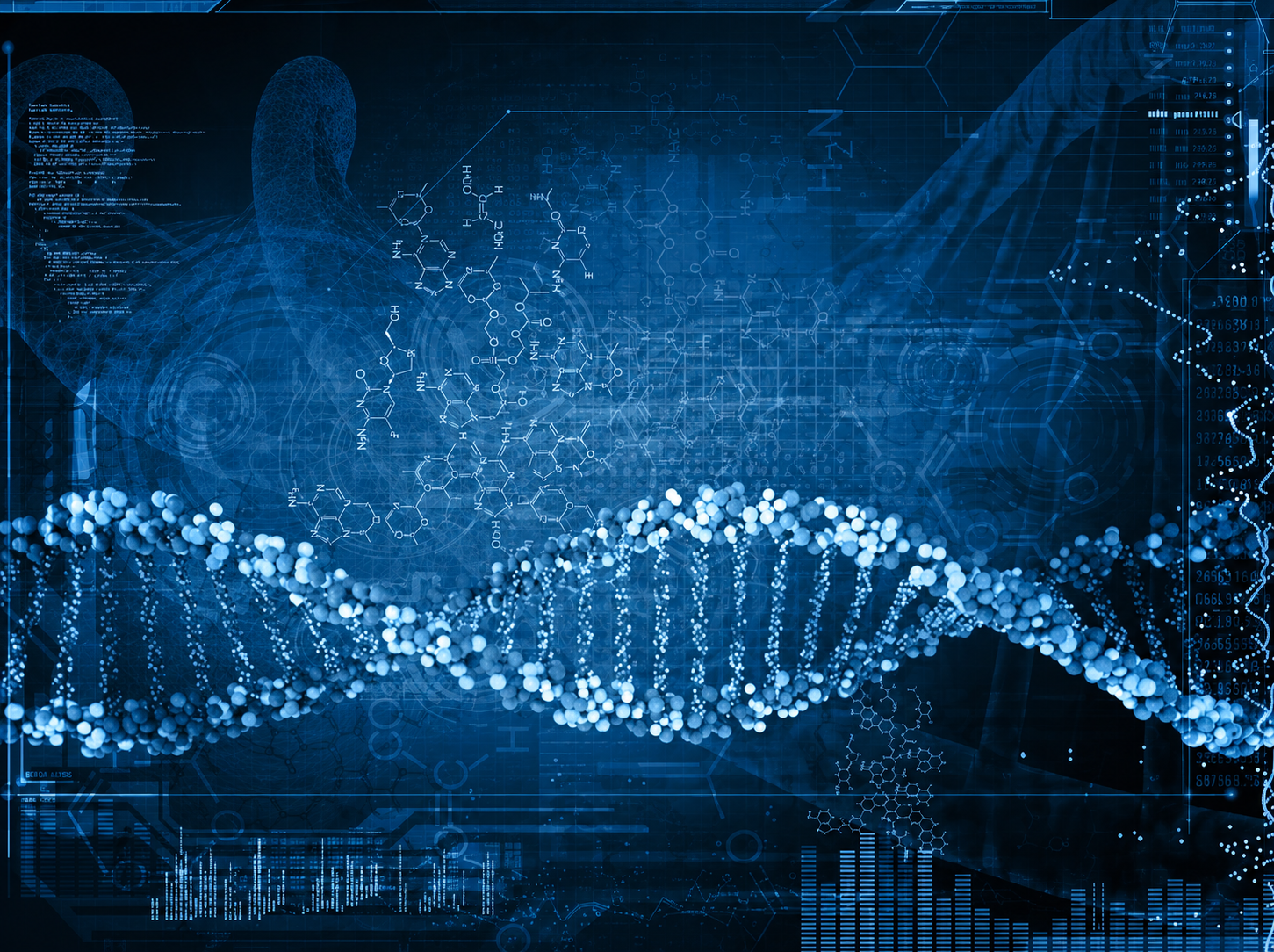
针对药物异质性与药物互作等临床药物治疗挑战,结合药物组学、转录组、蛋白质等组学数据,开展药物响应预测、多组学整合驱动的异质性机制解析、药物互作系统建模与风险预警、人工智能辅助个体化预测和药物重定位研究。
- 药物响应预测与个体化用药建模
- 药物互作建模与风险预警
- 药物重定位与组合治疗预测
Laboratory Introduction
本研究团队现有教师4人,其中教授2人、博士4人,现有博士研究生2人、硕士研究生11人,长期致力于人工智能在生物医学大数据领域的研究。
团队主持国家自然科学基金2项、省自然科学基金6项,发表SCI论文60余篇,围绕 AI 药物发现、单细胞多组学和数字病理开展方法创新、资源建设与临床转化探索。
Research Areas
LiJin Lab 关注 AI 药物发现、单细胞多组学和数字病理的交叉研究,强调方法创新、数据整合与医学转化价值。
针对药物异质性与药物互作等临床药物治疗挑战,结合药物组学、转录组、蛋白质等组学数据,开展药物响应预测、多组学整合驱动的异质性机制解析、药物互作系统建模与风险预警、人工智能辅助个体化预测和药物重定位研究。
基于单细胞转录组学、免疫组库测序、染色质可及性测序等多维度数据,在单细胞分辨率下解析肿瘤免疫微环境中的细胞组成、功能状态、受体多样性、细胞间互作及空间分布规律。
通过全玻片数字图像、人工智能、大数据和云计算等技术,开展 AI 驱动的病理图像智能分析、多模态数据融合与生物标志物发现、临床转化与智慧医疗应用研究。
People
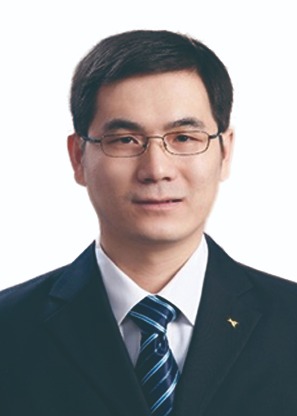
博士,教授,博士生导师,海南省拔尖人才
海南医科大学智能医学与技术学院(大数据研究中心)副院长,曾留学美国印第安纳大学和俄亥俄州立大学。长期从事人工智能和生物信息学教学与科研,研究方向包括机器学习、人工智能及其在药物基因组学、药物信息学和癌症系统生物学中的应用。
查看个人介绍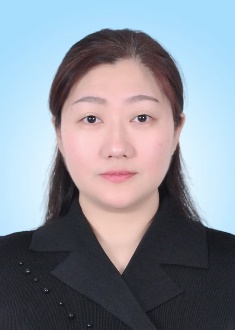
博士,教授,海南省E类人才
曾留学美国印第安纳大学和俄亥俄州立大学,从事医学大数据生物信息学相关研究,主要研究方向为癌症系统生物学和药物组学信息学。以第一作者或通讯作者身份发表SCI论文20余篇,主持2项海南省自然科学基金。
查看个人介绍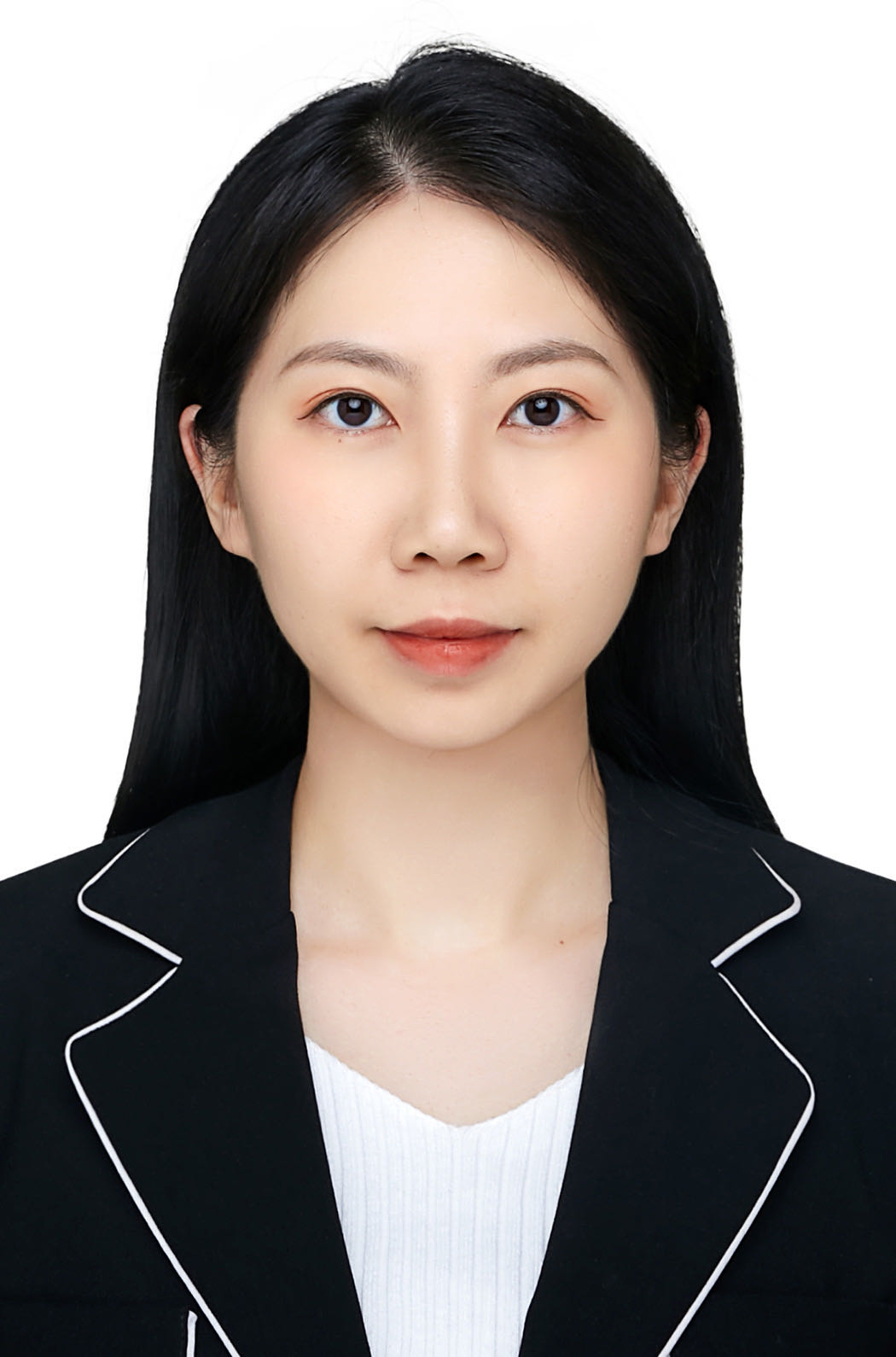
博士,讲师
现任智能医学与技术学院讲师,主要研究方向为智能医学,包括医学人工智能与深度学习、临床医学数据挖掘、病理图像智能识别等。主持海南省自然科学基金1项,发表SCI论文十余篇,指导本科生科研竞赛获省级以上奖励多项。
查看个人介绍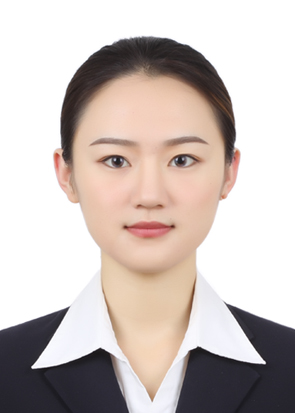
教师,肿瘤生物学与生物医学大数据方向
聚焦肿瘤生物学与生物医学大数据分析研究,主要围绕肿瘤微环境细胞互作机制、空间异质性演化规律及免疫治疗应答与耐药调控网络开展研究。
查看个人介绍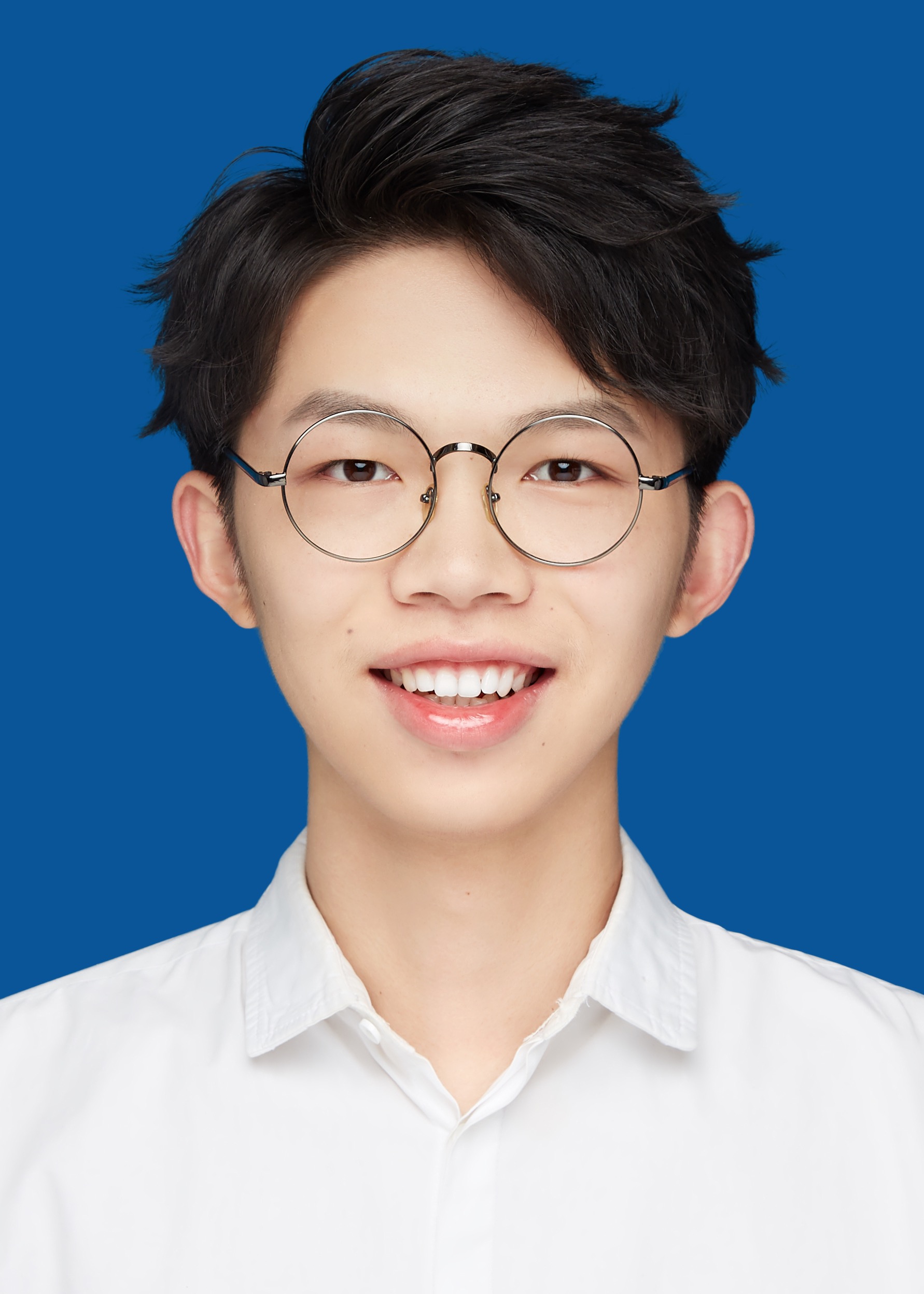
博士研究生
研究课题:数字病理。围绕病理图像智能分析、多模态数据融合与生物医学大数据方向开展课题训练,具体内容后续补充。
查看个人介绍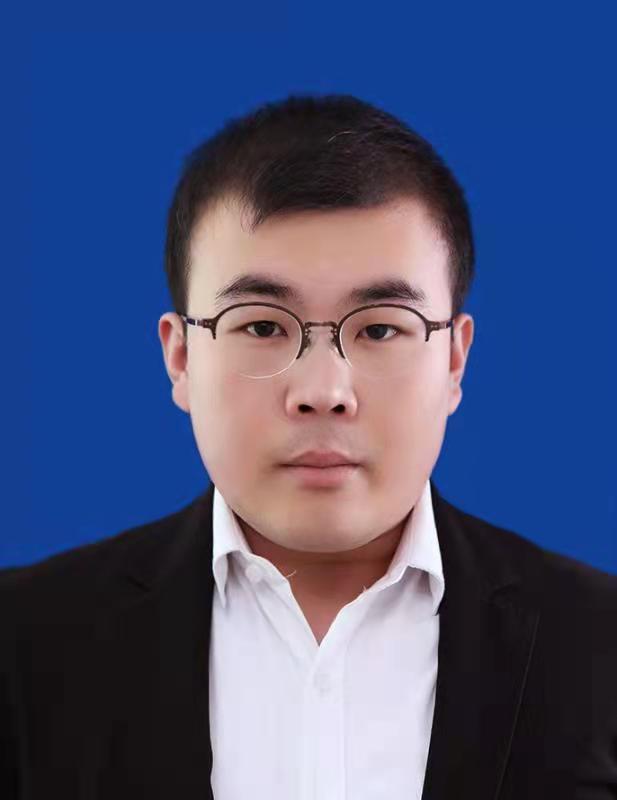
博士研究生
研究课题:数字病理。围绕病理图像智能分析、多模态数据融合与生物医学大数据方向开展课题训练,具体内容后续补充。
查看个人介绍
硕士研究生 / 研三
研究课题:数字病理。围绕病理图像智能分析、多模态数据融合与生物医学大数据方向开展课题训练,具体内容后续补充。
查看个人介绍
硕士研究生 / 研三
研究课题:数字病理。围绕病理图像智能分析、多模态数据融合与生物医学大数据方向开展课题训练,具体内容后续补充。
查看个人介绍
硕士研究生 / 研三
研究课题:数字病理。围绕病理图像智能分析、多模态数据融合与生物医学大数据方向开展课题训练,具体内容后续补充。
查看个人介绍
硕士研究生 / 研二
研究课题:药物微观世界的探究,研三核动力牛马。
查看个人介绍
硕士研究生 / 研二
研究课题:数字病理。围绕病理图像智能分析、多模态数据融合与生物医学大数据方向开展课题训练,具体内容后续补充。
查看个人介绍
硕士研究生 / 研一
研究课题:数字病理。围绕病理图像智能分析、多模态数据融合与生物医学大数据方向开展课题训练,具体内容后续补充。
查看个人介绍
硕士研究生 / 研一
研究课题:数字病理。围绕病理图像智能分析、多模态数据融合与生物医学大数据方向开展课题训练,具体内容后续补充。
查看个人介绍
硕士研究生 / 研一
研究课题:医学影像与多组学数据融合分析,重点关注慢性肾病等复杂疾病的分子机制、疾病异质性及精准分层研究,利用MRI、病理影像、空间转录组和单细胞组学等多模态数据探索疾病进展规律与潜在治疗靶点。
查看个人介绍
硕士研究生 / 研一
研究课题:数字病理。围绕病理图像智能分析、多模态数据融合与生物医学大数据方向开展课题训练,具体内容后续补充。
查看个人介绍
硕士研究生 / 研一
研究课题:主要从事全切片病理图像(WSI)的人工智能分析研究,重点关注真实医院小样本场景下的弱监督学习、患者参照式建模与可解释病理图像分类。
查看个人介绍
硕士研究生 / 研一
研究课题:数字病理。围绕病理图像智能分析、多模态数据融合与生物医学大数据方向开展课题训练,具体内容后续补充。
查看个人介绍
已毕业学生
去向:中山大学读博。
查看个人介绍已毕业学生
去向:暨南大学读博。
查看个人介绍已毕业学生
去向:复旦大学读博。
查看个人介绍当前分类下暂无成员,后续名单补充后会显示在这里。
Publications
Scientific Reports. 2025 Nov 25;15:41913.
Frontiers in Bioinformatics. 2025 Sep 16;5:1661601.
Scientific Data. 2025 Apr 25;12(1):695.
PeerJ. 2025 Feb 25;13:e19078.
Briefings in Functional Genomics. 2025 Jan 15;24:elaf007.
Journal for ImmunoTherapy of Cancer. 2024 Feb 28.
Journal for ImmunoTherapy of Cancer. 2024 Nov 24.
Frontiers in Molecular Biosciences. 2022 Mar 28.
Database (Oxford). 2022 Nov 24;2022:baac101.
Frontiers in Genetics. 2021 Jul 5;12:647653.
Biology (Basel). 2020 Sep 7;9(9):278.
Genes (Basel). 2019 Sep 25;10(10):753.
Scientific Reports. 2016 Jul 29;6:30595.
European Journal of Human Genetics. 2015 Nov;23(11):1566-72.
Journal of Medical Internet Research. 2025 Sep 30;27:e73840.
Journal of Cloud Computing. 2024;13(1).
IEEE Journal of Biomedical and Health Informatics. 2018.
未找到匹配的论文,请调整关键词、年份或搜索内容。
News
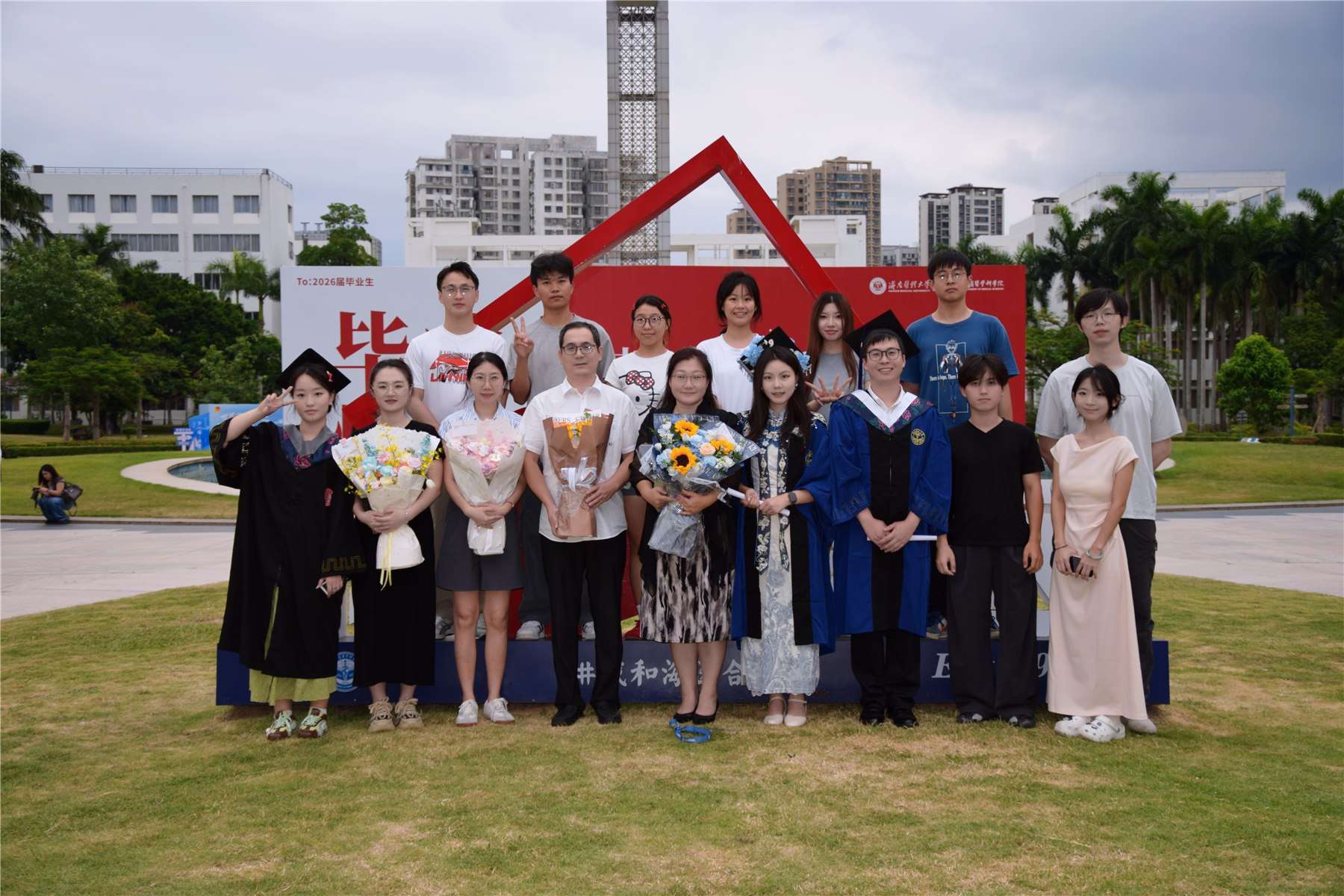
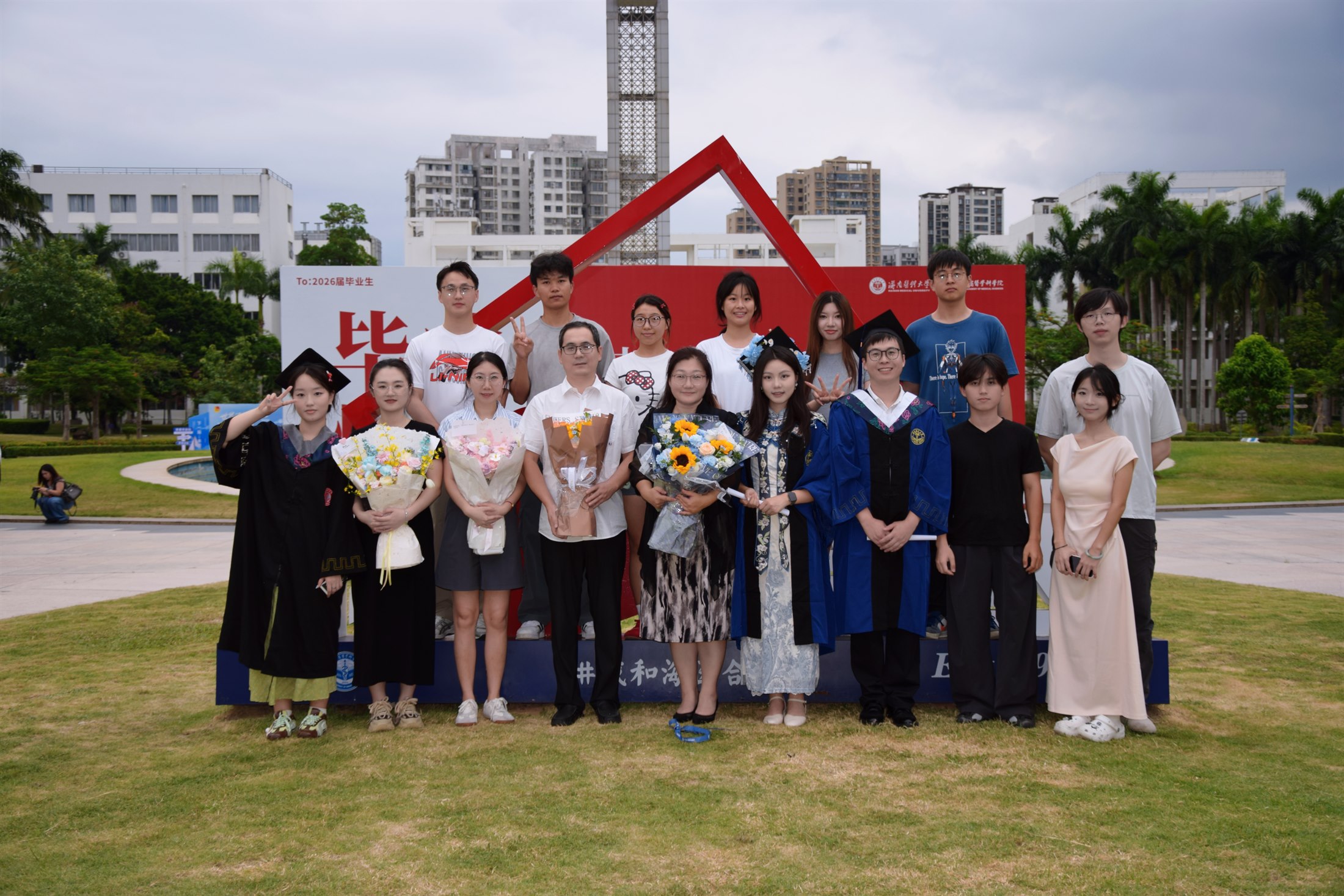
毕业季的团队合影,记录课题组共同成长、并肩前行的时刻。
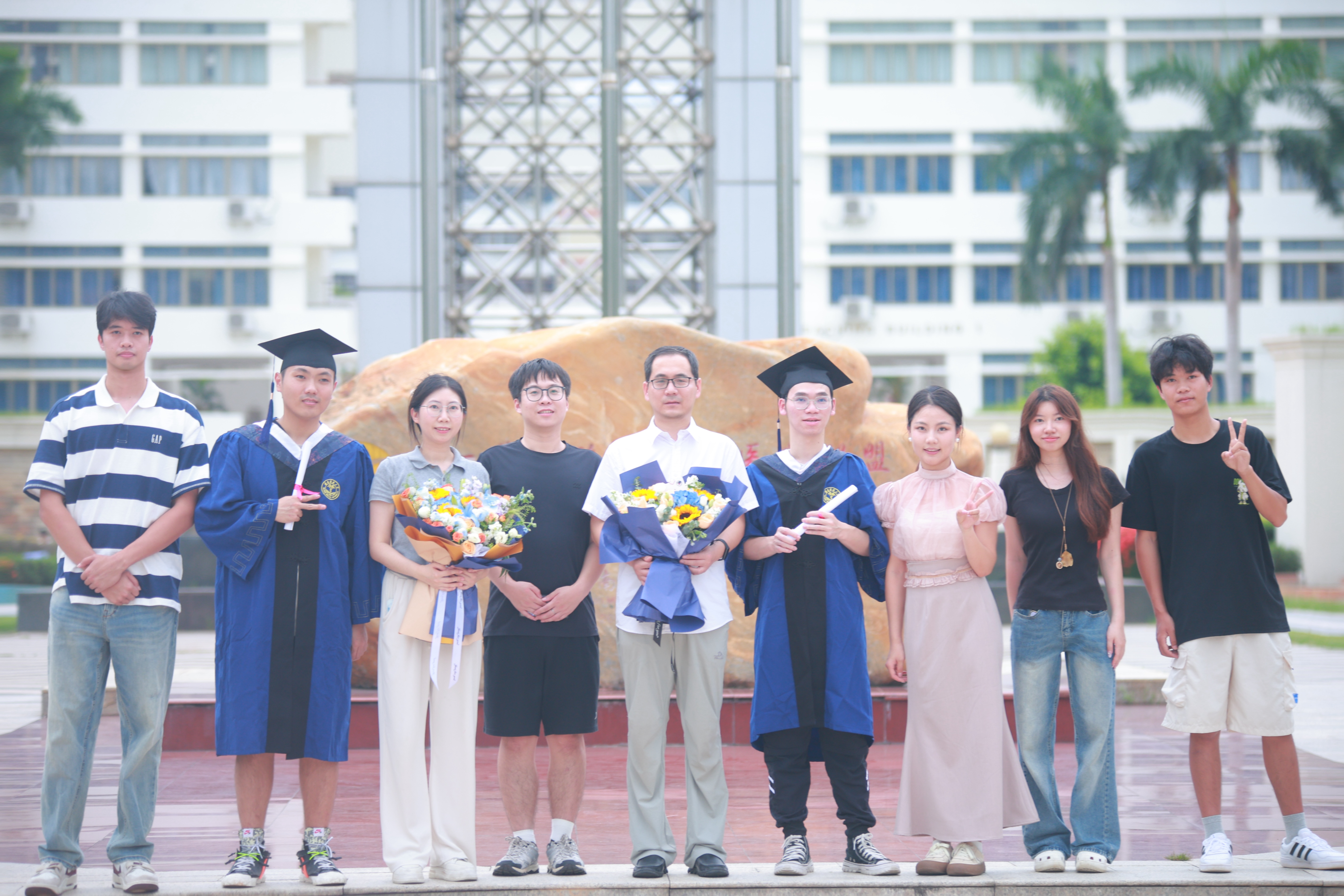
近年毕业合影,保留属于课题组的阶段性记忆。
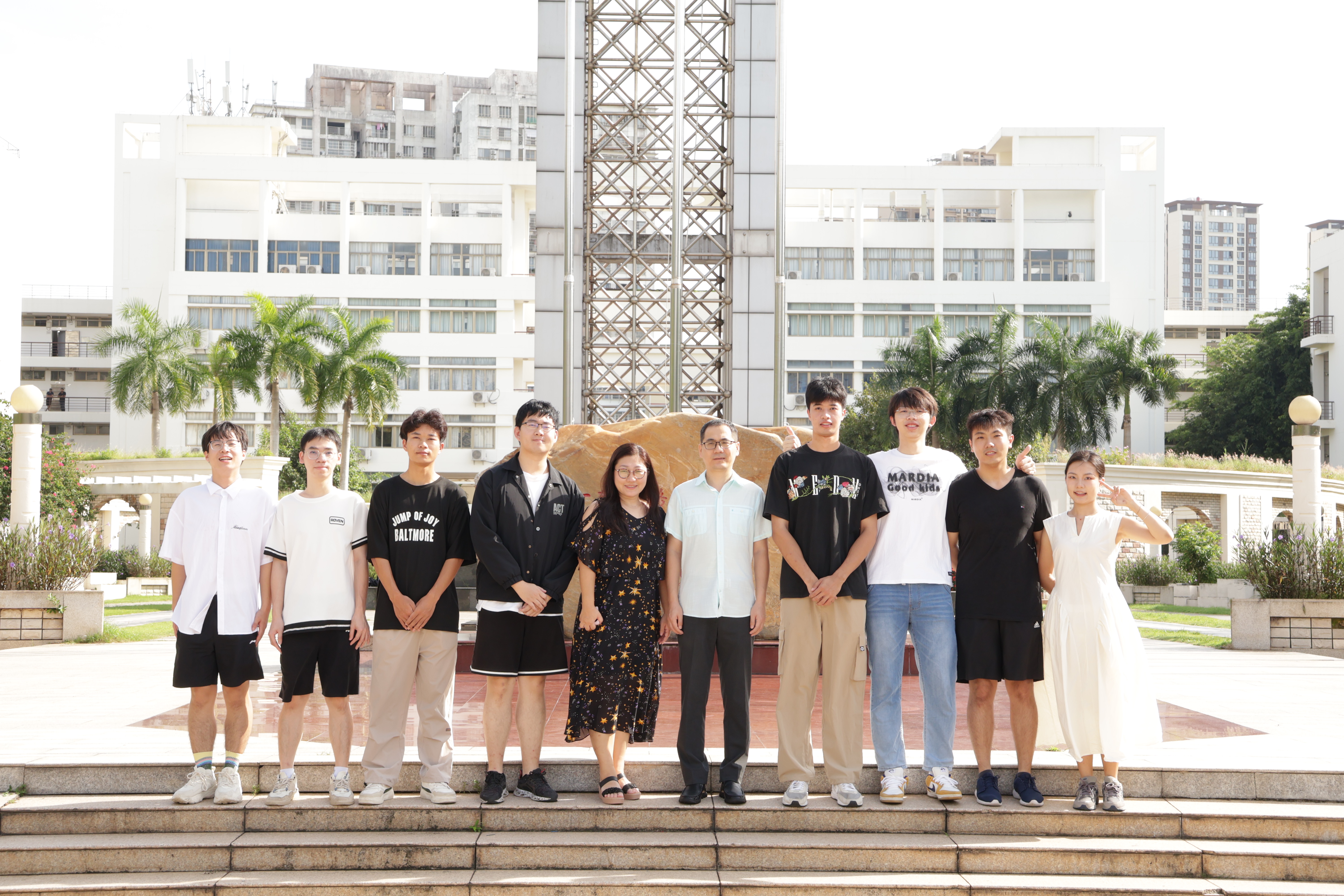
课题组师生在校园中的集体留影,记录共同学习与成长的时刻。
Contact
本团队招收生物学(生物物理学)博士研究生,智能科学与技术(学硕)和电子信息(专硕)硕士研究生,欢迎报考、交流与合作。